
Fire Safety Audit in India: Why Your Building May Not Be Safe Even After Installation
Fire Safety Audit in India
Fire safety is often considered complete once fire extinguishers, alarms, and hydrant systems are installed. However, installation alone does not guarantee safety. Many buildings in India continue to face fire risks due to poor maintenance, outdated systems, or non-compliance with safety norms. This is where a fire safety audit becomes essential.
What is a Fire Safety Audit?
A fire safety audit is a comprehensive inspection of a building’s fire prevention systems, equipment, and emergency preparedness. It evaluates whether all fire safety measures are properly installed, functional, and compliant with national safety standards.
Why Installation Alone is Not Enough
Lack of Regular Maintenance
Fire extinguishers may expire, alarms may fail, and sprinkler systems can get blocked. Without periodic checks, these systems may not work during emergencies.
Non-Compliance with Updated Regulations
Fire safety norms in India are updated regularly. Many buildings continue operating with outdated systems that no longer meet current standards.
Human Error and Poor Training
Even with proper equipment, untrained staff or occupants may not know how to respond during a fire emergency.
Electrical Hazards
Faulty wiring, overloaded circuits, and poor electrical maintenance are among the leading causes of fire incidents in India.
Blocked Emergency Exits
In many buildings, emergency exits are either locked, blocked, or improperly marked, making evacuation difficult during a crisis.
Key Components Checked in a Fire Safety Audit
- Fire extinguishers and their validity
- Fire alarm and detection systems
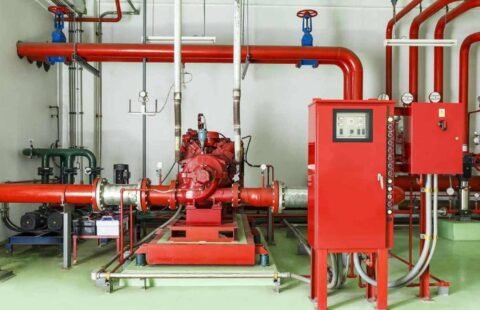
- Sprinkler and hydrant systems
- Emergency exits and evacuation plans
- Electrical safety systems
- Smoke control systems
- Staff awareness and training
Benefits of Conducting a Fire Safety Audit
Ensures Compliance
Helps your building meet legal fire safety requirements and avoid penalties.
Enhances Safety
Identifies hidden risks and prevents potential disasters.
Improves Emergency Preparedness
Ensures that occupants and staff are well-prepared to handle fire emergencies.
Protects Life and Property
Reduces the risk of damage and loss during fire incidents.
Who Needs a Fire Safety Audit?
- Residential complexes
- Commercial buildings
- Factories and warehouses
- Hospitals and healthcare centers
- Educational institutions
- Hotels and hospitality spaces
How Often Should You Conduct an Audit?
Ideally, a fire safety audit should be conducted at least once a year. However, high-risk facilities such as factories or hospitals may require more frequent inspections.
Conclusion
Installing fire safety systems is only the first step. Without regular audits, maintenance, and proper training, your building may still be at risk. A professional fire safety audit ensures that your systems are not only present but also effective when it matters the most.
Call to Action
Ensure your building’s safety today. Contact our expert team for a professional fire safety audit and stay compliant, secure, and prepared.