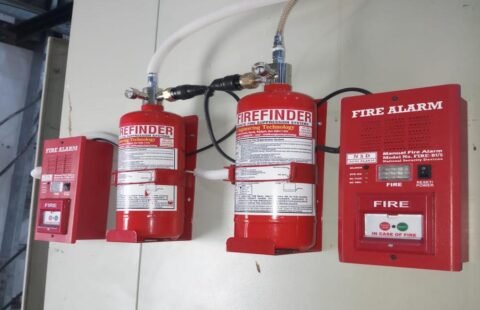
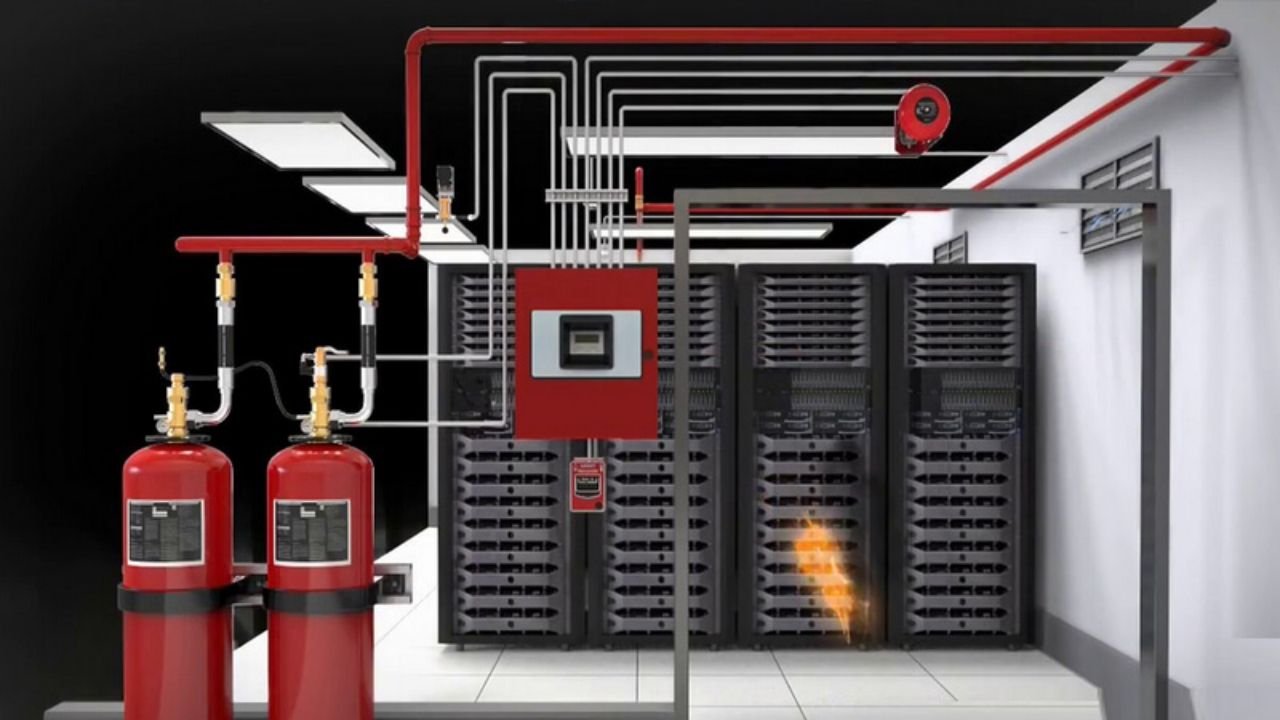
Fire Alarm System Maintenance for Industrial Buildings: What Facility Managers Should Know
Fire Alarm System Maintenance for Industrial Buildings
In an industrial facility, a fire alarm system is one of the most important parts of the overall fire protection infrastructure. Factories, warehouses, manufacturing units, workshops and other industrial buildings can contain electrical equipment, machinery, combustible materials, chemicals and other potential fire hazards.
Installing a fire alarm system is only the first step. Regular inspection, testing and maintenance are equally important to ensure that the system can detect a fire promptly and alert people when an emergency occurs.
For facility managers, understanding how fire alarm maintenance works can help reduce system failures, improve emergency preparedness and support a safer working environment.
Pavlo Engineers provides fire protection and fire detection solutions for industrial and commercial applications, including fire alarm systems, fire fighting systems, fire sprinkler systems and other fire safety equipment.
Why Fire Alarm Maintenance Is Important for Industrial Buildings
Industrial environments can be challenging for fire detection systems. Dust, heat, smoke, vibration, moisture and continuous machinery operation can affect certain components over time.
A fire alarm system that is not properly maintained may experience problems such as:
- False alarms
- Delayed detection
- Detector contamination
- Battery failure
- Damaged cables
- Faulty manual call points
- Communication problems between devices
- Control panel faults
- Notification appliance failures
Regular maintenance helps identify these issues before they become serious problems.
For facility managers, the objective should not simply be to keep the alarm panel operational. The entire detection and notification system should be inspected and tested as part of the building’s broader fire safety programme.
What Does Fire Alarm System Maintenance Include?
Fire alarm maintenance involves more than checking whether the alarm produces a sound.
Depending on the type and configuration of the system, professional maintenance may include inspection and testing of:
- Fire alarm control panels
- Smoke detectors
- Heat detectors
- Manual call points
- Hooters and sounders
- Strobes or visual indicators
- Fire alarm batteries
- Detection circuits
- Wiring and connections
- Input and output modules
- Communication interfaces
- Zone indicators
- Addressable devices
- System logs and fault history
The exact maintenance procedure depends on the installed system, manufacturer specifications, building requirements and applicable fire safety standards.
Key Areas Facility Managers Should Monitor
1. Fire Alarm Control Panel
The control panel is the central component of the fire alarm system. It receives signals from detection devices and manages alarms and system faults.
During maintenance, technicians should check for:
- Active fault indications
- Alarm history
- Power supply status
- Battery condition
- Zone or device faults
- Communication errors
- Panel indicators
- Audible and visual indications
Any unexplained fault should be investigated rather than simply being reset.
2. Smoke and Heat Detectors
Smoke and heat detectors are responsible for detecting signs of fire.
In industrial environments, detectors can become contaminated by dust, dirt, fumes or other particles.
Facility managers should ensure that detectors are:
- Free from excessive dust and contamination
- Properly installed
- Not physically damaged
- Accessible for inspection
- Appropriate for the surrounding environment
The correct detector type is particularly important in industrial applications because different areas may have different environmental conditions.
3. Manual Call Points
Manual call points allow people to manually activate the fire alarm when they identify a fire.
They should be checked to ensure they are:
- Clearly visible
- Accessible
- Undamaged
- Correctly connected
- Functioning during testing
They should not be blocked by equipment, stored materials or temporary installations.
4. Hooters, Sounders and Visual Indicators
Detecting a fire is only part of the process. People inside the facility also need to receive an effective warning.
Alarm sounders, hooters and visual notification devices should therefore be tested to confirm that they operate correctly.
Large industrial buildings may contain machinery and other sources of high background noise, making effective alarm notification particularly important.
5. Backup Batteries
A fire alarm system needs reliable backup power so that it can continue operating if the primary electrical supply is interrupted.
Maintenance should include checking:
- Battery condition
- Charging status
- Connections
- Signs of damage or leakage
- Battery-related fault indications
Batteries should be replaced when required according to their condition, manufacturer recommendations and system requirements.
Why Industrial Buildings Need a Different Maintenance Approach
A small office and a large manufacturing facility do not necessarily have the same fire detection requirements.
Industrial buildings may have:
- Large floor areas
- High ceilings
- Production machinery
- Electrical equipment
- Storage areas
- Combustible materials
- Dust-producing processes
- High-temperature environments
- Restricted-access areas
- Noisy production zones
These conditions can influence detector selection, device placement, alarm audibility and maintenance requirements.
For example, a detector installed in a dusty production environment may require more attention than one installed in a clean office area.
This is why industrial fire alarm maintenance should be planned according to the actual operating environment rather than following a one-size-fits-all approach.
Conventional vs Addressable Fire Alarm Systems
Industrial facilities may use conventional or addressable fire alarm systems depending on the building, risk profile, design requirements and project specifications.
Conventional Fire Alarm Systems
A conventional system generally divides the building into zones. When a detector or manual call point activates, the control panel identifies the affected zone.
These systems can be suitable for certain smaller or straightforward installations.
Addressable Fire Alarm Systems
Addressable systems can provide more detailed information by identifying individual devices or specific device locations within the system.
This can be particularly useful in larger facilities where knowing the precise location of an alarm or fault can help emergency response teams act more quickly.
Regardless of the system type, regular testing and professional maintenance remain essential.
How Often Should an Industrial Fire Alarm System Be Maintained?
The required maintenance frequency can depend on the type of system, building conditions, manufacturer recommendations, applicable standards and the nature of the industrial operation.
Facility managers should establish a documented inspection and testing schedule rather than waiting until a fault occurs.
Additional inspections may also be appropriate after:
- Major electrical work
- Building modifications
- Changes to production areas
- Relocation of machinery
- Changes in storage arrangements
- Water leakage or environmental damage
- Significant dust accumulation
- Fire incidents
- Repeated false alarms
The maintenance schedule should always follow applicable requirements and the manufacturer’s recommendations.
Common Fire Alarm Problems in Industrial Facilities
Several issues can develop when a fire alarm system is not properly maintained.
False Alarms
Dust, steam, environmental conditions, unsuitable detector selection or equipment faults can contribute to unwanted alarms.
Repeated false alarms should never simply be ignored. They should be investigated to identify the underlying cause.
Detector Contamination
Dust and other contaminants can affect detector performance. Industrial facilities with dusty processes may require particular attention to detector cleanliness and suitability.
Battery Failure
A degraded battery can leave the system vulnerable during a power interruption.
Damaged Wiring
Industrial environments can expose cables to heat, mechanical damage and other risks.
Blocked Devices
Stored materials, machinery or temporary structures can obstruct detectors, manual call points or notification devices.
Unresolved Panel Faults
A fire alarm panel displaying a fault condition should be investigated promptly. A persistent fault can indicate a problem with the system’s ability to perform correctly.
Fire Alarm Maintenance During Factory Expansion or Modification
Industrial facilities often change over time.
A factory may add:
- New production lines
- Additional machinery
- Storage areas
- Electrical rooms
- Warehouse sections
- Office areas
- Mezzanine floors
These changes can affect the existing fire detection design.
Simply extending an existing system without evaluating the updated building layout may result in inadequate coverage.
Whenever an industrial facility is modified, the fire alarm system should be reviewed to determine whether additional detectors, manual call points, sounders, modules, cabling or other components are required.
Importance of Maintaining Fire Alarm Records
Facility managers should maintain proper records of inspections, testing, faults, repairs and component replacement.
A maintenance record can help track:
- Previous faults
- Repeated false alarms
- Battery replacement
- Detector servicing
- System modifications
- Testing dates
- Repair work
- Outstanding issues
Proper documentation also helps facility teams understand the history of the system and plan preventive maintenance.
Fire Alarm Testing vs Fire Alarm Maintenance
These two terms are related but not identical.
Testing focuses on checking whether components and functions operate as intended.
Maintenance involves a broader process of inspection, cleaning where appropriate, troubleshooting, repair, adjustment and replacement of components when necessary.
An effective fire safety programme should include both regular testing and appropriate maintenance.
Signs That Your Industrial Fire Alarm System Needs Professional Attention
Facility managers should consider professional inspection when they notice:
- Frequent false alarms
- Repeated panel fault indications
- Devices that fail during testing
- Damaged detectors or manual call points
- Unusual alarm sounds
- Battery-related warnings
- Missing or damaged devices
- Changes in building layout
- Newly added production or storage areas
- Fire alarm devices covered or obstructed by equipment
- System components that have not been inspected for an extended period
Ignoring these warning signs can increase the risk of system failure when an emergency occurs.
Why Professional Fire Alarm Maintenance Matters
Fire alarm systems contain interconnected electrical and electronic components. Diagnosing faults correctly requires knowledge of the installed system and its configuration.
Professional technicians can help with:
- System inspection
- Device testing
- Fault identification
- Detector servicing
- Battery checks
- Control panel diagnostics
- Wiring inspection
- System expansion
- Replacement of faulty components
- Preventive maintenance
Professional servicing can also help facility managers identify potential problems before they become major system failures.
Fire Alarm Maintenance as Part of a Complete Fire Protection Strategy
A fire alarm system should not be considered separately from the rest of the facility’s fire protection arrangements.
Depending on the building and risk profile, an industrial fire safety strategy may include:
- Fire alarm and detection systems
- Fire extinguishers
- Fire hydrant systems
- Fire sprinkler systems
- Fire pumps
- Fire hose reels
- Fire doors
- Emergency lighting
- Fire safety signage
- Evacuation procedures
- Emergency response plans
All components should work together as part of an appropriately designed fire protection system.
How Facility Managers Can Improve Fire Alarm Reliability
Facility managers can take several practical steps to support reliable fire alarm operation:
Keep Detection Devices Accessible
Do not allow machinery, stock or temporary structures to obstruct detectors and manual call points.
Report Faults Immediately
A fault indication should be investigated rather than repeatedly reset without identifying the cause.
Maintain Clear Records
Keep inspection and maintenance records updated and accessible to responsible personnel.
Review the System After Building Changes
Whenever the layout or use of a facility changes, review the fire alarm coverage.
Train Employees
Employees should know how to recognise the fire alarm, operate manual call points where appropriate and follow the site’s emergency evacuation procedure.
Schedule Professional Servicing
Preventive maintenance is generally more effective than waiting for the system to fail.
Choosing a Fire Alarm Maintenance Partner in Kolkata
For an industrial facility, selecting a fire safety service provider requires more than simply comparing service prices.
Consider whether the company has experience with:
- Industrial fire alarm systems
- Conventional and addressable systems
- Fire detection equipment
- Fault diagnosis
- Preventive maintenance
- Fire fighting systems
- Fire sprinkler systems
- Large commercial and industrial installations
The service provider should also understand the requirements of the specific facility and provide appropriate inspection and maintenance support.
Why Choose Pavlo Engineers?
Pavlo Engineers provides fire protection and fire safety solutions for commercial and industrial applications.
Our solutions include fire alarm and detection systems, fire sprinkler systems, fire fighting systems and other fire safety equipment designed around the requirements of different properties.
For industrial facilities, proper system selection, installation and ongoing maintenance can help support reliable fire detection and emergency notification.
Whether you operate a factory, warehouse, commercial facility or other industrial property, Pavlo Engineers can help assess your fire safety requirements and provide suitable fire protection solutions.
Frequently Asked Questions
How often should an industrial fire alarm system be serviced?
The required frequency depends on the system, manufacturer recommendations, applicable standards and the operating environment. Facility managers should maintain a documented inspection and testing schedule.
Why do industrial fire alarms give false alarms?
False alarms can result from dust, steam, environmental conditions, detector contamination, unsuitable detector selection, wiring problems or equipment faults. The actual cause should be professionally investigated.
Is fire alarm maintenance necessary after installation?
Yes. Installation does not eliminate the need for ongoing inspection, testing and maintenance. Regular servicing helps identify faults and maintain system reliability.
What components should be checked during fire alarm maintenance?
Depending on the system, checks may include the control panel, smoke and heat detectors, manual call points, sounders, visual indicators, batteries, wiring, modules and other connected devices.
Should the fire alarm system be reviewed after factory expansion?
Yes. Changes to the building layout, production areas, storage arrangements or occupancy can affect fire detection coverage. The system should be reviewed whenever significant changes are made.
Can Pavlo Engineers provide fire alarm system maintenance?
Pavlo Engineers provides fire safety and fire protection solutions for industrial and commercial applications. Contact the team to discuss your site’s fire alarm and fire protection requirements.
Final Thoughts
For industrial facilities, a fire alarm system is only as reliable as its installation, configuration, testing and maintenance.
Regular professional inspection can help facility managers identify faults, maintain detection coverage and keep the system prepared for an emergency.
From factories and warehouses to commercial facilities, a properly maintained fire alarm system should form an important part of a comprehensive fire protection strategy.
If you need fire alarm system installation, maintenance or fire protection solutions in Kolkata, contact Pavlo Engineers to discuss the requirements of your industrial or commercial facility.