Types of Fire Extinguishers in India: Uses, Colours, Classes & How to Choose the Right One
Types of Fire Extinguishers in India
Fire safety is an essential requirement for residential, commercial, and industrial properties. Whether you are managing an office, operating a factory, running a restaurant, or protecting your home, having the right fire extinguisher can help control a small fire before it spreads.
However, not every fire extinguisher is suitable for every type of fire. Water, foam, ABC dry powder, CO2, and wet chemical extinguishers use different extinguishing agents and are designed for specific fire hazards.
Understanding the different types of fire extinguishers in India, their uses, identification labels, and fire classifications can help property owners make informed fire safety decisions.
At Pavlo Engineers, we provide fire extinguishers and comprehensive fire protection solutions for residential, commercial, and industrial applications. Our solutions include water-type, foam-based, ABC-type, and CO2 fire extinguishers.
In this guide, we explain the major fire extinguisher types, their applications, fire classes, identification colours, and important considerations for selecting suitable fire safety equipment.
What Is a Fire Extinguisher?
A fire extinguisher is a portable or mobile fire protection device containing an extinguishing agent that can be discharged to control or extinguish a small, developing fire.
Fire extinguishers are an important part of emergency preparedness. They provide an immediate response option for certain early-stage fires while supporting a building’s wider fire protection arrangements.
However, portable extinguishers do not replace fire alarm systems, automatic sprinklers, hydrant systems, emergency exits, or professional firefighting services.
The Bureau of Indian Standards (BIS) provides guidance under IS 2190:2024 for the selection, installation, maintenance, and testing of portable and mobile fire extinguishers.
Understanding Different Classes of Fire in India
Before selecting a fire extinguisher, it is important to understand the type of material that may catch fire.
Under the Indian fire classification system, fire hazards are divided into different classes according to the burning material.
Class A Fire: Solid Combustible Materials
Class A fires involve ordinary combustible materials such as:
- Wood
- Paper
- Cardboard
- Cloth
- Rubber
- Furniture
- Certain plastics
These fires generally require an extinguishing agent that can cool the burning material and control combustion.
Water, foam, and appropriately rated ABC dry powder extinguishers may be suitable for applicable Class A hazards.
Class B Fire: Flammable Liquids
Class B fires involve flammable liquids or liquefiable solids, including:
- Petrol
- Diesel
- Paint
- Solvents
- Certain oils
- Wax
Suitable extinguishing agents may include foam, dry chemical powder, CO2, and approved clean agents, depending on the fire risk and extinguisher rating.
Water should not be used indiscriminately on flammable-liquid fires because it may spread the burning liquid.
Class C Fire: Flammable Gases
Class C fires involve flammable gases under pressure, including:
- LPG
- Propane
- Methane
- Other combustible gases
Dry chemical powder and other specifically suitable extinguishing agents may be used according to the hazard and extinguisher rating.
Where possible, the gas supply should be isolated safely. Extinguishing flames without controlling an ongoing gas leak can allow unburned gas to accumulate and create another serious hazard.
Class D Fire: Combustible Metals
Class D fires involve combustible metals such as:
- Magnesium
- Sodium
- Potassium
- Aluminium
- Other reactive metals
These fires require specialised extinguishing agents designed for the particular metal involved.
Ordinary water, foam, or general-purpose extinguishers may be unsuitable and can create additional hazards.
Class F Fire: Cooking Oils and Fats
Class F fires involve cooking oils and fats, commonly found in commercial kitchens and food preparation areas.
These fires require appropriate wet chemical extinguishers designed for cooking-media hazards.
Water should never be poured onto burning cooking oil because it can cause violent splashing and rapid fire spread.
Types of Fire Extinguishers in India and Their Uses
Different fire extinguishers work through different mechanisms, including cooling, oxygen exclusion, interruption of combustion, or specialised chemical action.
1. Water Fire Extinguisher
A water-type fire extinguisher primarily controls Class A fires by cooling burning materials and reducing their temperature.
Suitable applications include:
- Offices
- Schools
- Residential buildings
- Warehouses containing ordinary combustible materials
- Shops and commercial premises
Common materials involved:
- Paper
- Wood
- Cloth
- Cardboard
- Other ordinary combustible solids
Important safety precaution: Water extinguishers should not be used on energised electrical equipment or unsuitable flammable-liquid hazards.
Pavlo Engineers provides water-type fire extinguishers for suitable fire protection applications.
2. Foam Fire Extinguisher
Foam fire extinguishers are commonly used for applicable Class A and Class B fire hazards.
The foam forms a covering over the burning surface, helping suppress flames and reduce the release of flammable vapours.
Common applications include:
- Fuel storage areas
- Workshops
- Garages
- Warehouses
- Commercial premises
- Certain industrial facilities
Foam extinguishers may be suitable for specific flammable-liquid hazards, but their use should follow the product rating and manufacturer’s instructions.
They should not be used on energised electrical equipment unless the particular extinguisher is specifically approved for that application.
Pavlo Engineers offers foam-based fire extinguishers for suitable commercial and industrial requirements.
3. ABC Dry Chemical Powder Fire Extinguisher
ABC dry chemical powder extinguishers are widely used because they can address several common fire hazards.
Depending on the product’s certification and rating, ABC powder extinguishers are suitable for Class A, Class B, and Class C fires.
Common applications include:
- Homes
- Offices
- Factories
- Warehouses
- Shops
- Workshops
- Commercial buildings
ABC extinguishers are useful in locations where multiple types of ordinary fire hazards may be present.
However, dry chemical powder can leave residue that may affect sensitive electrical or electronic equipment. Consider the equipment sensitivity and specific fire risk before selecting an extinguisher.
4. CO2 Fire Extinguisher
Carbon dioxide (CO2) fire extinguishers use carbon dioxide gas to help suppress suitable fires.
They are commonly used for certain Class B hazards and electrical equipment risks.
Common applications include:
- Electrical panels
- Control rooms
- Computer equipment
- Offices
- Laboratories
- Certain industrial electrical areas
One advantage of CO2 extinguishers is that they do not leave the powder residue associated with dry chemical extinguishers.
However, CO2 can create an asphyxiation hazard in confined spaces, and the discharge horn can become extremely cold.
Always follow the extinguisher’s instructions and maintain a safe escape route.
5. Wet Chemical Fire Extinguisher
Wet chemical extinguishers are designed for Class F fires involving cooking oils and fats.
They are particularly relevant to:
- Restaurants
- Hotels
- Commercial kitchens
- Canteens
- Food preparation areas
The extinguishing agent helps cool the burning cooking medium and forms a surface layer that helps prevent re-ignition.
A commercial kitchen should have fire protection selected according to its cooking equipment, fuel sources, ventilation, and applicable safety requirements.
6. Clean Agent Fire Extinguisher
Clean-agent extinguishers are used in selected environments where minimising residue and equipment contamination is important.
Potential applications include:
- Server rooms
- Data centres
- Communication equipment areas
- Control rooms
- Sensitive electronic installations
The appropriate agent must be selected according to the specific hazard, equipment, room conditions, and applicable safety requirements.
Fire Extinguisher Colours and Identification in India
Fire extinguisher identification is important because emergency situations require quick recognition of the correct equipment.
Many portable extinguishers in India have red-painted cylinders, while labels, symbols, instructions, and identification markings help distinguish the extinguishing agent and its intended applications.
The cylinder colour alone should not be used to identify the extinguisher’s suitability.
Common Identification Information
| Extinguisher Type | Identification to Check | Main Application |
|---|---|---|
| Water | Water-based agent and Class A rating | Ordinary combustible solids |
| Foam | Foam agent and applicable fire rating | Class A and B hazards |
| ABC Powder | ABC dry chemical powder label | Applicable Class A, B and C fires |
| CO2 | CO2 identification and fire rating | Suitable Class B and electrical hazards |
| Wet Chemical | Wet chemical agent and Class F rating | Cooking oils and fats |
Always read the manufacturer’s label, operating instructions, fire rating, and certification information before using an extinguisher.
Why Should You Check the Extinguisher Label?
The label helps users identify:
- Extinguishing agent
- Fire classes for which the extinguisher is rated
- Operating instructions
- Capacity and rating
- Manufacturer details
- Applicable certification information
- Inspection and servicing details
Never assume that two extinguishers are interchangeable simply because their cylinders look similar.
Which Fire Extinguisher Should You Choose for Different Locations?
The correct extinguisher depends on the fire hazards present in the building rather than the building type alone.
Fire Extinguishers for Homes
Residential properties may contain combustible furniture, paper, fabrics, electrical appliances, and kitchen cooking equipment.
The selection should consider the actual hazards, accessible placement, and the manufacturer’s fire ratings.
Fire Extinguishers for Offices
Offices commonly contain:
- Paper and furniture
- Computers
- Electrical equipment
- UPS systems
- Pantry facilities
ABC powder may be suitable for certain general fire risks, while CO2 or an appropriate clean agent may be considered for selected electrical and sensitive equipment areas.
Fire Extinguishers for Factories
Factories may involve machinery, flammable liquids, gas cylinders, chemicals, packaging materials, and electrical installations.
A factory may require several extinguisher types positioned according to its fire-risk assessment and applicable requirements.
Fire Extinguishers for Warehouses
Warehouses often store cardboard, packaging, plastics, textiles, and other combustible materials.
Additional hazards may include flammable liquids, gases, or chemicals.
The extinguisher selection should reflect the materials stored, storage arrangements, building layout, and potential fire risks.
Fire Extinguishers for Commercial Kitchens
Commercial kitchens require particular attention to cooking oil and fat fires.
Appropriately rated wet chemical extinguishers are designed for Class F hazards. Other extinguishers may be required for separate electrical or ordinary combustible risks.
How to Choose the Right Fire Extinguisher
Selecting fire safety equipment requires consideration of the fire hazard, product rating, location, and maintenance requirements.
1. Identify the Potential Fire Hazard
Determine which materials, machinery, fuels, or equipment could catch fire.
2. Check the Fire Rating
Select an extinguisher specifically rated for the identified hazard.
3. Verify Applicable Standards
Check product certification and compliance with applicable Indian standards and regulatory requirements.
BIS identifies IS 15683:2018 for portable fire extinguishers and IS 2190:2024 for their selection, installation, maintenance, and testing.
4. Consider the Installation Location
The appropriate extinguisher for a kitchen may differ from one intended for an electrical room, warehouse, or manufacturing facility.
5. Consider Accessibility
Extinguishers should be installed in suitable, clearly identified locations where they can be reached without unnecessary obstruction.
6. Evaluate Maintenance Requirements
Check servicing requirements, inspection arrangements, pressure condition where applicable, and the availability of competent maintenance support.
7. Seek Professional Fire Safety Guidance
For commercial and industrial properties, professional assessment can help determine the appropriate equipment, placement, and overall fire protection arrangements.
Fire Extinguisher Maintenance and Inspection
Installing an extinguisher is only the first step. Regular inspection and maintenance are essential for ensuring that it remains ready for use.
Under applicable maintenance requirements, extinguishers should be kept charged, operable, and in their designated locations.
Important inspection considerations include:
- Physical damage or corrosion
- Pressure indication where applicable
- Safety pin and seal
- Hose and nozzle condition
- Accessibility and visibility
- Service and recharge requirements
- Manufacturer instructions
- Maintenance records
Inspection and servicing should be performed by competent personnel in accordance with applicable standards and manufacturer requirements.
Common Fire Extinguisher Selection Mistakes to Avoid
Using Water on Energised Electrical Equipment
Water can conduct electricity and create a serious shock hazard. Use only an extinguisher specifically suitable for the electrical hazard.
Selecting an Extinguisher Without Checking Its Rating
The extinguishing agent must be appropriate for the actual fire class and risk.
Ignoring Specialised Fire Hazards
Combustible metals and cooking oils require specific extinguishing solutions.
Choosing Equipment Only by Price
Product suitability, certification, quality, capacity, and maintenance support are important considerations.
Neglecting Inspection and Servicing
A damaged, discharged, or improperly maintained extinguisher may not function as intended during an emergency.
Attempting to Fight a Fire That Is Spreading
Portable extinguishers are intended primarily for small, developing fires. If the fire is spreading, smoke is heavy, or escape is uncertain, evacuate immediately and contact emergency services.
Why Fire Extinguishers Are Only One Part of a Complete Fire Protection System
Fire extinguishers provide an important first response option, but effective fire safety requires a broader approach.
Depending on the building and its hazards, a fire protection arrangement may include:
- Fire alarm and detection systems
- Fire hydrant systems
- Automatic sprinkler systems
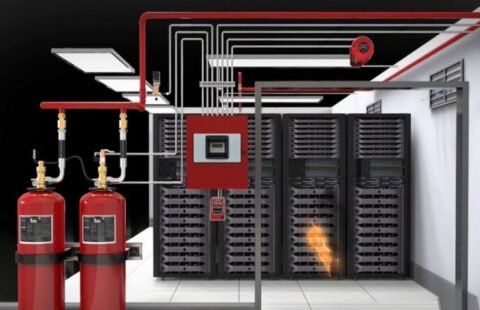
- Fire suppression systems
- Fireproof doors
- Emergency lighting
- Fire safety signage
- Clearly identified evacuation routes
- Fire safety training and emergency planning
The correct combination depends on building occupancy, fire load, layout, applicable standards, and regulatory requirements.
Why Choose Pavlo Engineers for Fire Safety Equipment?
Pavlo Engineers provides fire protection and safety solutions for residential, commercial, and industrial applications.
Our fire extinguisher range includes:
- ABC Type Fire Extinguishers
- CO2 Type Fire Extinguishers
- Foam-Based Fire Extinguishers
- Water Type Fire Extinguishers
We also provide fire protection solutions such as fire fighting systems, fire alarm and detection systems, fire suppression systems, and fireproof doors.
Our team supports customers in identifying suitable fire safety solutions based on their project requirements.
Frequently Asked Questions About Fire Extinguishers
What are the main types of fire extinguishers in India?
Common types include water, foam, ABC dry chemical powder, CO2, wet chemical, and clean-agent extinguishers. Specialised extinguishers are also available for combustible metal fires.
Which fire extinguisher is suitable for electrical fires?
CO2 and certain approved clean-agent extinguishers are commonly considered for suitable electrical hazards. Always check the product rating and follow the manufacturer’s instructions.
Which fire extinguisher is used for cooking oil fires?
A suitably rated wet chemical extinguisher is designed for Class F fires involving cooking oils and fats.
What is an ABC fire extinguisher used for?
An ABC dry chemical powder extinguisher is designed for applicable Class A, Class B, and Class C fires, subject to its certification and rating.
Can a water fire extinguisher be used on an electrical fire?
No. Water should not be used on energised electrical equipment because it can create a serious electrical shock hazard.
What does Class D fire mean?
Class D fires involve combustible metals such as magnesium, sodium, potassium, and certain other reactive metals. They require specialised extinguishing agents suitable for the particular metal.
How can I identify the correct fire extinguisher?
Check the extinguisher’s label, fire rating, extinguishing agent, operating instructions, and certification details. Do not rely on cylinder colour alone.
How often should fire extinguishers be inspected?
Inspection and servicing frequency should follow applicable standards, manufacturer instructions, and site requirements. Regular checks should confirm that the extinguisher is accessible, undamaged, and ready for use.
Where can I buy fire extinguishers in Kolkata?
Pavlo Engineers supplies fire extinguishers and fire protection equipment for residential, commercial, and industrial applications. Contact our team to discuss your requirements.
Protect Your Property with the Right Fire Extinguisher
Choosing the right fire extinguisher is an essential part of fire safety planning. Water, foam, ABC powder, CO2, wet chemical, and clean-agent extinguishers each have specific applications.
Understanding fire classes, checking extinguisher ratings, ensuring correct installation, and maintaining equipment can help improve emergency preparedness.
For suitable fire extinguishers and professional fire protection solutions, contact Pavlo Engineers to discuss your residential, commercial, or industrial fire safety requirements.