How Does a Fire Sprinkler System Work? A Complete Guide
How a Fire Sprinkler System Work
Fire can spread within minutes, making early fire control essential for protecting people, buildings, equipment, and valuable assets. A fire sprinkler system is one of the most effective automatic fire protection solutions because it can respond to rising temperatures and release water directly over the affected area.
But how does a fire sprinkler system actually work? What happens when a sprinkler head detects heat, and what components are involved?
In this guide, Pavlo Engineers explains how fire sprinkler systems work, their major components, applications, benefits, and why professional design and installation are important.
What Is a Fire Sprinkler System?
A fire sprinkler system is an automatic fire protection system designed to control or suppress a developing fire at an early stage.
Unlike manual firefighting equipment, sprinklers are designed to operate automatically when the temperature around an individual sprinkler head reaches its specified activation point. Once activated, water is discharged over the fire-affected area to help control the fire and reduce its spread.
Pavlo Engineers supplies fire sprinkler systems for commercial, industrial, residential, hospital, hotel, warehouse, and other applications where automatic fire protection is required.
How Does a Fire Sprinkler System Work?
The operation of a sprinkler system can be understood in a few basic steps:
1. Heat Builds Up During a Fire
When a fire starts, hot gases and smoke rise toward the ceiling. The temperature around the sprinkler head increases as the fire develops.
2. The Sprinkler Head Activates
Each sprinkler head is designed to respond to heat. When the surrounding temperature reaches the sprinkler’s specified activation temperature, its heat-sensitive element operates.
Importantly, sprinkler heads generally activate individually based on the heat conditions around them. This allows water to be directed toward the area where the fire is developing.
3. Water Is Released
Once the sprinkler head operates, water flows through the sprinkler piping network and is discharged through the sprinkler nozzle.
The sprinkler distributes water over the designated area to help control the fire and prevent it from spreading rapidly.
4. The Fire Is Controlled
The discharged water absorbs heat and helps control the fire. Early intervention can reduce fire damage and provide additional time for occupants to evacuate and emergency responders to take action.
5. The Fire Protection System Supports Emergency Response
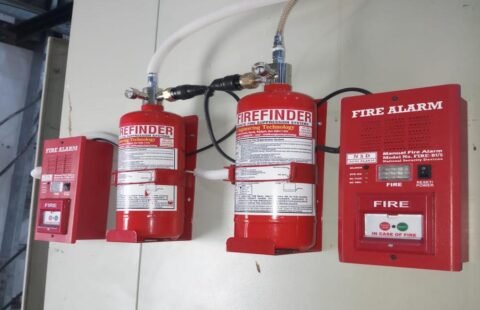
A sprinkler system is one part of a complete fire protection strategy. Depending on the building and risk profile, it may work alongside fire alarms, hydrant systems, fire extinguishers, fire pumps, fireproof doors, and other safety measures.
Pavlo Engineers provides integrated fire protection solutions for commercial, industrial, and residential applications.
Main Components of a Fire Sprinkler System
A properly designed sprinkler system consists of several interconnected components.
Sprinkler Heads
Sprinkler heads are installed at strategic locations throughout the protected area. They detect heat and discharge water when their activation temperature is reached.
Pipes and Fittings
A network of pipes distributes water from the supply source to individual sprinkler heads. Proper pipe sizing and layout are essential for maintaining the required water flow and pressure.
Fire Water Supply
The sprinkler system requires an appropriate and reliable water source. The required capacity depends on the building, protected area, hazard level, and system design.
Fire Pumps
Fire pumps can provide the necessary water pressure and flow for firefighting systems when required by the system design.
Control Valves
Control valves regulate and isolate sections of the sprinkler network. They are important for system operation, inspection, and maintenance.
Alarm and Monitoring Arrangements
Depending on the system configuration, water flow and system conditions can be monitored and integrated with fire alarm arrangements to provide warnings during an emergency.
Where Are Fire Sprinkler Systems Used?
Fire sprinkler systems can be used across a wide range of buildings and facilities, including:
- Commercial buildings
- Offices
- Shopping malls
- Warehouses
- Hospitals
- Hotels
- Industrial plants
- Residential complexes
- Educational institutions
- Commercial complexes
The appropriate sprinkler arrangement depends on factors such as building occupancy, fire risk, layout, storage conditions, and applicable safety requirements.
Benefits of Installing a Fire Sprinkler System
Automatic Fire Response
Sprinklers are designed to respond automatically to heat without requiring someone to manually operate the system.
Early Fire Control
By releasing water at the developing fire, sprinklers can help control a fire before it spreads extensively.
Protection of People and Property
A properly designed sprinkler system can help reduce fire damage and provide additional time for evacuation and emergency response.
Targeted Water Discharge
Individual sprinkler heads respond to local heat conditions, allowing water to be concentrated around the area affected by the fire.
Continuous Fire Protection
When properly designed, installed, inspected, and maintained, sprinkler systems provide an important layer of automatic fire protection.
Fire Sprinkler System vs Fire Hydrant System
Fire sprinkler and hydrant systems serve different functions and should not be treated as interchangeable.
A sprinkler system is designed for automatic fire control at the early stage, while a hydrant system provides firefighting water through hydrant points and hose arrangements for emergency firefighting.
For larger buildings and facilities, different fire protection systems may be required to work together as part of an integrated safety strategy. Pavlo Engineers provides both sprinkler and hydrant solutions based on project requirements.
Why Professional Sprinkler System Design Matters
Installing sprinkler heads and pipes without proper engineering can result in inadequate protection.
A professional sprinkler system design considers factors such as:
- Building size and layout
- Occupancy type
- Fire hazard and fire load
- Storage arrangements
- Required water supply
- Pipe network
- Sprinkler positioning
- Pumping requirements
- Applicable fire safety standards
The system should be designed according to the specific characteristics and risks of the property rather than using a generic layout.
Fire Sprinkler System Maintenance
Regular inspection and maintenance are important for keeping a sprinkler system ready for an emergency.
Maintenance can include checking sprinkler heads, valves, piping, water supply, pumps, alarms, and other associated components. Inspection frequency should follow applicable requirements, manufacturer recommendations, and the specific system design.
A neglected sprinkler system may not perform as intended during an emergency.
Why Choose Pavlo Engineers for Fire Sprinkler Systems?
Pavlo Engineers Private Limited provides fire protection solutions for industrial, commercial, residential, and other applications. The company supplies fire sprinkler systems along with fire hydrant systems, fire alarm systems, fire suppression systems, fire extinguishers, and fireproof doors.
Pavlo Engineers highlights:
- 15+ years of industry experience
- ISO 9001:2015 certification
- Experienced engineers and skilled technicians
- Quality control and inspection processes
- Fire safety solutions across Eastern India
The company also provides end-to-end fire safety solutions including system design, installation, and maintenance support.
Final Thoughts
A fire sprinkler system is an important component of modern fire protection. By responding automatically to rising temperatures and directing water toward the affected area, it can help control a developing fire and reduce the potential for extensive damage.
However, the effectiveness of a sprinkler system depends on proper design, suitable components, correct installation, adequate water supply, and regular inspection and maintenance.
If you are planning a new building, upgrading an existing fire protection system, or looking for a suitable sprinkler solution, professional assessment can help determine the right system for your property.
Need a Fire Sprinkler System for Your Building?
Pavlo Engineers provides customized fire sprinkler and complete fire protection solutions for commercial, industrial, residential, warehouse, hospital, hotel, and other applications.
Contact Pavlo Engineers today to discuss your fire safety requirements and get a suitable sprinkler system solution for your project.
Frequently Asked Questions
How does a fire sprinkler activate?
A sprinkler head activates when the heat around it reaches its specified activation temperature. It then releases water over the affected area.
Do all sprinkler heads activate at the same time?
No. Sprinkler heads generally respond individually to the heat conditions around each head. This allows water to be directed toward areas where fire is developing.
Can a sprinkler system completely extinguish a fire?
A sprinkler system is primarily designed to control or suppress fire depending on the system design and conditions. Its performance depends on factors such as fire size, water supply, system design, and the nature of the fire.
Where are fire sprinklers commonly installed?
They are commonly used in offices, warehouses, hotels, hospitals, shopping malls, industrial plants, commercial buildings, and residential complexes.
Does a sprinkler system replace a fire alarm?
No. Sprinklers and fire alarm systems perform different functions. A complete fire protection strategy may require multiple systems working together.
How often should a fire sprinkler system be maintained?
Inspection and maintenance requirements depend on the system, applicable standards, manufacturer recommendations, and site conditions. Regular professional inspection is important to ensure system readiness.